
EXPLORE the Peruaçu River Canyon with this slideshow, check the location map and get all the facts and information below.


For slideshow description see right or scroll down (mobile). Click to view slideshow
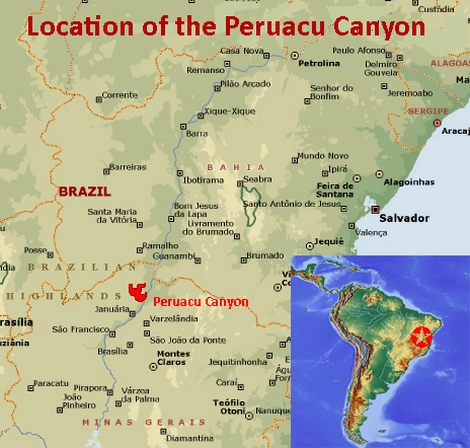
Location and Values: The Peruaçu River Canyon is located in the northern part of Minas Gerais state, eastern Brazil. It is one of the most remarkable examples in the world of a karst valley developed through the collapse of ancient cave systems. The river canyon is more than 200m deep and 21 km in length with underground cave sections alternating with areas where the roof has collapsed and the canyon floor is exposed to natural daylight. There are colossal caves at various levels, with magnificent and diverse speleothem decorations, cliffs, towers, limestone arches, natural bridges, and stone forests. The cave preserves what is thought to be the world’s largest stalactite: the Perna da Bailarina, which is about 28 meters in length.
The Peruaçu River Canyon is set within the Cavernas do Peruaçu National Park which lies at the intersection of the Cerrado, Caatinga, and Atlantic Forest biomes, supporting over 2,000 plant and animal species, including many threatened ones. There is archaeological evidence of various phases of human occupation dating back to the Pleistocene, as long as 12,000 years ago. These ancestral peoples left a lasting legacy in the way of some extraordinarily well-preserved rock art.
Conservation Status and Prospects. According to IUCN’s evaluation of the nomination file (2025) the site is generally well-protected and shows no significant development impacts. The main threat would be a reduction in water flow, as this would impact the ongoing process of karst development and the rich biodiversity of the Peruaçu River Canyon. Climate change is likely to impact precipitation patterns in the region while water consumption for agriculture and cattle in the park’s buffer zone may threaten water flow. Human activities in the buffer zone may also affect water quality, especially where wildfires occur.
Visitation is likely to increase following the World Heritage listing. Most natural attractions within the site are accessible only with a local guide trained and certified by the national park. The park management authority will need to provide for the rise in visitation by developing necessary infrastructure (such as road access, parking, trails and provisions for waste management), as well as ensuring the availability of trained guides, interpretive services, and appropriate safety conditions.
LINKS:
Slideshow description
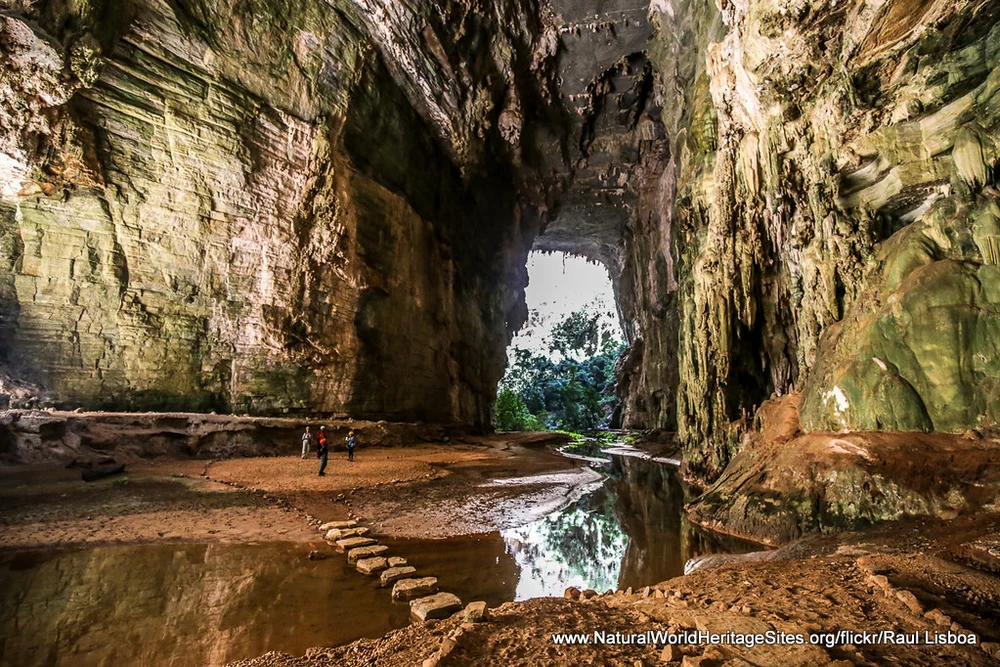
Slideshow Description: The slideshow ‘tells the story’ of the Peruaçu River Canyon with a portfolio of photos that illustrate the main features of the canyon and its outstanding natural beauty. The following Flickr photographers and other sources are acknowledged with thanks for their contributions to this slideshow: Raul Lisboa, Renato Mota, Andre Dib, Tom Alves, Waltencir Moraes, Alberto Tamashiro, Alexandre Lobo, Gustavo Belem, Jose Vicente S., Wagner Noguel, Joao L. Junior and Programa Aqua. Photo credits are provided in the watermarks of each image.
Factfile
Website Category:
Area: 380 km2
Inscribed: 2025
Criteria:
- Exceptional natural phenomenon (vii);
- Outstanding natural beauty (vii);
- Geological features (viii);

